
AI And The End Of The Law Firm: We May Wind Up Being Wrong?
Remember that law firms have a pretty damn good track record when it comes to adapting.
Remember that law firms have a pretty damn good track record when it comes to adapting.

If AI takes all the scut work, then how will lawyers pay their dues?

The company is emphasizing ‘white glove service’ in the AI era. Here’s what the initiative is delivering for clients.
Willkie AI and Innovation leader Todd Friedlich spoke to LexisNexis about firm’s thoughtful approach to legal AI

Lawyers may soon face additional consequences for failing to check for AI hallucinations in their filings.

Clients need some ownership in how their firms use the technology. Firms and clients need to design workflows together.

Law reviews potentially rejecting submissions because the journals detect AI is problematic for a variety of reasons.

AI can accelerate document review, but metrics alone aren't enough. Learn how Managing Attorney oversight turns AI-driven review into a more adaptive, strategic and defensible process.

As AI moves from answering questions to conducting transactions, accuracy is no longer enough.

Reimagining the law department.

AI made investors and vendors take notice of an industry that could be completely disrupted by a revolutionary tool.
When it comes to AI, what does a litigator need to know — and know how to do — right now?

A conversation with Trustpoint.One CEO Christopher Gallagher.

What NetDocuments has done is important because virtually no one has gone to the trouble of looking hard at the relationship between AI cost and accuracy.
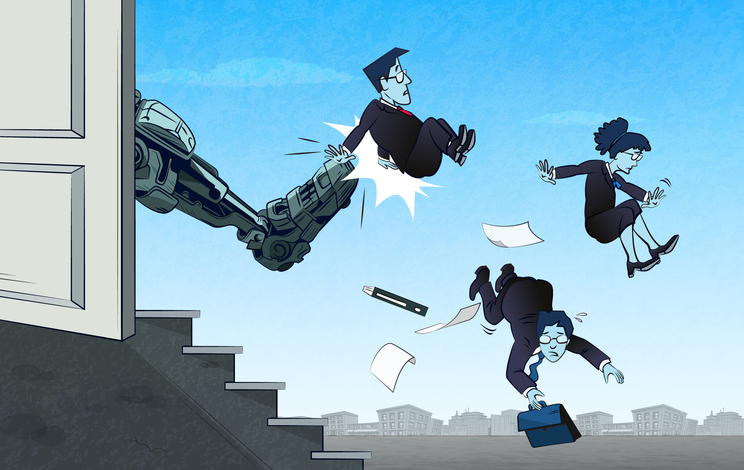
Well, not so much 'pick' as 'have forced upon you by economic forces beyond your control.'

When all is replaced by agentic AI, what are the long-term consequences?

Don't toss AI in the drawer alongside your gym membership card just yet.
AI costs aren't just about the model.